How to Sell Pokémon Cards: The #1 Secret Nobody Tells You
Forget chasing rare holos. The real secret to selling Pokémon cards is simpler than you think — and it starts with a bulk scanner and a floor price.
Last Updated: April 2026
📖 7 min read
How to Sell Pokémon Cards: The #1 Secret Nobody Tells You (It's Not What You Think)
Most people trying to sell Pokémon cards are chasing the wrong thing. They're hunting for the next Charizard, obsessing over PSA 10s, and ignoring the stack of "worthless" bulk sitting in a shoebox — and that's exactly why they're leaving money on the table.
The real secret to consistently making sales isn't about having the most expensive cards. It's not about pulling the hottest holo or knowing which set is trending on social media. It's something far simpler, and once it clicks, you'll never look at a bulk lot the same way again.
The Bulk Lot That Changed Everything — A Real Story from the Founder
When Card Price King first launched, the founder wasn't sitting on a vault of PSA 10 Charizards. He grabbed a bulk set of cards — the kind you'd find at a garage sale or in a discount bin — and got to work.
Using the Card Price King AI scanner, he ran those cards through a physical batch scan. One by one, the platform identified each card, pulled real-time market pricing, and auto-populated the listings. What would have taken hours of manual research took a fraction of the time.
Then he set a floor price — a minimum he'd accept for any card, regardless of what the market said. And he listed everything. Every single card from that bulk lot, no matter how "common" it seemed.
Cards started selling. Not because they were rare. Not because they were trending. Because they were listed, priced, and available — and the right buyer found them.
"You might scan 100 cards and not realize somebody out there is a Pikachu collector, or only buys cards from a specific artist. That buyer exists. You just have to be listed when they show up."
The #1 Secret: Volume Beats Rarity Every Single Time
Here's the insight that separates consistent sellers from people who make one big sale every three months: more listings equals more sales. It's not complicated. It's not glamorous. But it works.
Think about it from a probability standpoint. If you have 10 cards listed, you have 10 chances to match with a buyer. If you have 500 cards listed, you have 500 chances. The Pokémon collector market is enormous and deeply segmented — there are buyers for nearly every card ever printed, at the right price.
The sellers on this platform who move the most product aren't necessarily the ones with the rarest inventory. They're the ones with the most inventory listed. Our top seller, TheCreator, has over 2,593 active listings. That's not an accident — that's a strategy.
Compare that to sellers with 4 or 5 listings. The math on sales velocity isn't even close.
Don't wait until you have "good enough" cards to start listing. That bulk lot you've been ignoring? Scan it today. You have no idea what a specific buyer is searching for until your card shows up in their results.
The Floor Price Strategy That Protects Your Margins (and Your Sanity)
Once you've committed to listing everything, the next question is: what do you charge? This is where most new sellers either undercut themselves into unprofitability or overthink pricing until they never list anything at all.
The floor price strategy is straightforward: set a minimum price you'll accept for any card, and don't go below it. For common and uncommon cards, a floor of $2.97 works well. Here's why that specific number matters — it's psychologically just under $3, it covers your shipping materials, and it ensures every sale is worth your time.
If the market price on a card is $1.25, you don't have to sell it for $1.25. You can list it at $2.97 and wait. The right buyer will pay it. Pokémon collectors are notoriously loyal to specific cards, sets, and characters — price sensitivity varies wildly depending on who's buying.
The floor price also removes decision fatigue. Instead of agonizing over whether a card should be $1.50 or $2.00, you have a rule: nothing leaves for less than your floor. List it, forget it, and let the marketplace do its job.
Auctions vs. Fixed Listings — Knowing When to Use Each
Not every card should be a fixed listing, and not every card should go to auction. Understanding the difference is what separates strategic sellers from people who just throw cards online and hope.
Fixed listings are your workhorse. They're always available, they never expire, and they let patient buyers find you on their timeline. For bulk cards, commons, uncommons, and mid-tier rares — fixed listings at your floor price are the play. Set it and forget it.
Auctions are for cards with genuine demand uncertainty — cards where you're not sure if the market will go $5 or $50. Right now there are 91 active auctions on Card Price King, and the best-performing ones share a common trait: they're cards where competitive bidding makes sense.
| Format | Best For | Risk Level | Time Investment |
|---|---|---|---|
| Fixed Listing | Bulk, commons, steady sellers | Low | Minimal |
| Auction | Hot cards, uncertain value, chase cards | Medium | Moderate |
The founder's experience reflects this balance: auctions sometimes close below the floor price (a dollar or less), but they also sometimes close above market value when two collectors really want the same card. Auctions are a tool, not a default.
Ready to run your first auction or list your first card? Card Price King makes it simple — with real-time price data built right into the listing flow.
Browse the Marketplace →How to List 100 Cards in Minutes Using the AI Card Scanner
The biggest barrier to high-volume selling isn't finding cards — it's the time it takes to identify, research, and list them. This is exactly the problem the Card Price King AI scanner was built to solve.
Here's the workflow that turns a bulk lot into active listings fast:
- Gather your cards — Pull out that bulk lot, that old binder, those packs you cracked years ago. Condition doesn't have to be perfect. Common cards sell.
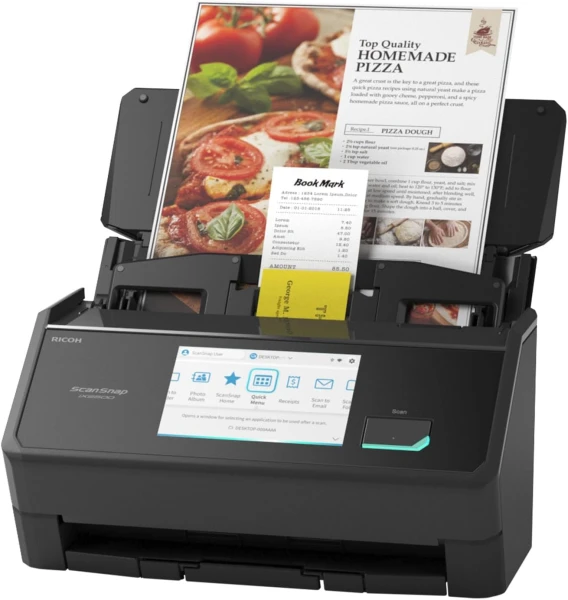
- Use the physical batch scanner — The platform supports scanning multiple cards at once. Run them through in batches rather than one at a time.
- Let the AI identify and price — The AI scanner pulls card data, set information, and current market pricing automatically. You're not doing manual lookups on eBay sold listings for 200 cards.
- Apply your floor price rule — Review the auto-populated prices and apply your minimum. Anything below your floor gets bumped up. Anything significantly above market gets priced competitively.
- Publish and move on — List the batch, walk away, and let buyers find you. Then grab the next bulk lot and repeat.
This isn't theoretical — it's the exact process used to build out the largest shop on the platform. TheCreator's shop with 2,593 listings wasn't built by manually researching every card. It was built through systematic, high-volume scanning and listing.
Sort your cards loosely by set before scanning — it helps the AI identify cards faster and reduces misidentification on older or damaged cards. A few minutes of prep can save you a lot of correction time on the back end.
The Buyer Psychology Most Sellers Never Think About
Here's what makes the volume strategy so powerful: Pokémon collectors are obsessive in ways that defy normal market logic. A card that looks worthless to you might be the exact card someone has been hunting for six months.
Consider the niches that drive real buying behavior on this platform:
- Character collectors — Pikachu collectors, Eevee collectors, Gengar collectors. They want every card featuring their favorite Pokémon, regardless of rarity or set.
- Artist collectors — Certain Pokémon TCG illustrators have cult followings. Collectors seek out every card by artists like Mitsuhiro Arita or Kouki Saitou specifically.
- Set completionists — Someone trying to complete a full Base Set or Jungle set needs the commons just as much as the holos. Your $2.97 Rattata might be the last card they need.
- "Cute card" collectors — This is a real and significant buyer segment. Cards with charming, whimsical, or aesthetically appealing artwork sell consistently regardless of competitive value.
- Nostalgia buyers — Adults returning to the hobby often search for specific cards from their childhood. The emotional value attached to a specific card can far exceed its market price.
When you only list your "best" cards, you're only serving one type of buyer. When you list everything, you're serving all of them. The math is simple: more listings, more buyer matches, more sales.
"You might scan 100 cards and not realize somebody only collects cards from a specific artist. That buyer exists. You just have to be listed when they show up."
How to Start Selling Pokémon Cards on Card Price King Today
The platform currently has 13 active sellers and 133 users — which means you're entering at a moment when the marketplace is growing but not yet saturated. The sellers who build their shops now will have a significant head start as the user base scales.
Here's what you need to get started:
- Your cards — Any cards. Bulk lots, old collections, garage sale finds, leftover pack pulls. Don't wait for "better" inventory.
- A seller account — Sign up at Card Price King and set up your shop. It takes minutes.
- The AI scanner — Use the scanner to batch-identify and price your cards without manual research.
- Your floor price — Decide on your minimum before you start listing. Stick to it.
- A commitment to volume — List everything. Scan every card. The equation is simple and it works.
Cards on Card Price King ship with free top loader protection — a detail that matters to serious collectors and builds buyer trust from your very first sale. Verified sellers, real-time price tracking, and a growing community of 133 users make this the right platform to build your selling operation.
With over 3,004 active listings and 337 sales already recorded, Card Price King is where serious collectors buy and sell. Start your shop today.
Start Selling on Card Price King →Check out some of the active sellers already building their shops on the platform and this is just the first month!!:
- ShowNTell — Level 3 seller with 242 active listings
- Andy Meeks (Meekster) — Level 2 seller with 64 listings
- Joshyboo — 38 listings and growing
- Ryan James — 35 listings across multiple sets
Frequently Asked Questions About Selling Pokémon Cards
Do I need rare or expensive cards to start selling?
No — and this is the core message of this entire guide. Bulk commons, uncommons, and mid-tier cards sell consistently when listed at the right price. The volume of your listings matters more than the rarity of any individual card.
What's the best price to list common Pokémon cards for?
A floor price of $2.97 works well for low-value cards. It's psychologically just under $3, covers your materials and time, and ensures every sale is profitable. Don't list below your floor — wait for the right buyer instead.
Should I use auctions or fixed listings for Pokémon cards?
Use fixed listings for bulk and steady sellers — they're always available and require no management. Reserve auctions for cards with genuine demand uncertainty, where competitive bidding could push the price above market value. Card Price King currently has 91 active auctions you can browse for reference.
How does the Card Price King AI scanner work?
The AI scanner uses image recognition to identify your cards and automatically pulls current market pricing data. You can scan cards in batches using a physical scanner, which dramatically speeds up the listing process for bulk lots.
How many cards should I list before expecting sales?
There's no magic number, but the data is clear: sellers with more listings generate more sales. Aim to get 50–100 cards listed as quickly as possible to start building visibility. The more you list, the more buyer searches you appear in.
What types of Pokémon card collectors are buying right now?
The collector market is deeply segmented. Active buyer niches include character collectors (Pikachu, Eevee, Gengar), artist collectors, set completionists, "cute card" buyers, and nostalgia-driven adults returning to the hobby. Listing broadly means you serve all of these buyers, not just one.
Is Card Price King a good place to sell Pokémon cards?
With 3,004 active listings, 337 completed sales, 433 sets in the database, and real-time AI-powered price tracking, Card Price King offers tools that most marketplaces don't. Free top loader protection and verified sellers make it a trusted platform for both buyers and sellers. Browse the marketplace to see what's selling right now.
Card Scanner
Automate your scanning process and then Bulk prices with Ai
Check Price →Written by
Jeff Caldwell
Founder of Card Price King. Lifelong Pokemon card collector, marketplace builder, and collector advocate. Building the most trusted platform for buying and selling trading cards.
Keep Reading
Find Your Next Card
Browse thousands of Pokemon cards from verified sellers. AI-powered scanning, real-time pricing, and free top loader protection on every order.